

Tucked away in Dudley’s industrial heartland, Alloy Heat Treatment has quietly built a reputation as one of the UK’s most specialised aluminium heat treatment providers, and one of its most enduring. On a recent visit, Jason Pitt, CEO of Made in the Midlands, sat down with the company’s leadership team to explore how long-term loyalty, in-house skills development and steady investment are positioning the business for sustainable success.
While many manufacturers wrestle with high staff turnover and shifting leadership, Alloy Heat Treatment is led by a core team whose tenure defies modern industry trends. Production Director Dave Bryant has been with the business for 38 years. Sales Director Ian Perks has clocked over 40. Steve Roberts, Quality Director, marks his 25th year, while Technical Director Mark Percox and HR Director Frank Rutler bring a further 80-plus years of experience between them.
“You don’t often sit at a table with over 150 years of combined industry knowledge,” Jason noted. “That kind of continuity isn’t just rare, it’s a strategic advantage.”
It’s also one the business is now doubling down on. In May 2024, the management team completed a full buyout of the company, ushering in a new chapter defined by ownership, autonomy, and accelerated decision-making.
New Ownership, Same Commitment
The business is now owned and operated by the long-serving leadership team, with a new holding company structure in place. While their day-to-day roles remain largely unchanged, the shift has given them the autonomy to make quicker, more impactful decisions.
“Before, some investments would be talked about for years and never acted on,” said Mark. “Now, we sit down and agree, if four out of five directors vote for it, we go ahead. The new quench tank, for instance, had been discussed for over a decade. We made the decision in one meeting and got it done.”
The buyout has brought clarity and urgency to a business that values consistency. This steady hand has also enabled them to make significant investments, over £2 million in the past decade, including a state-of-the-art oven installed just after Christmas.
Building Skills in a Niche Sector
Despite the business’s impressive legacy, recruiting the next generation remains a real challenge. One department in particular requires what the team calls “a black art”, a unique combination of tactile intelligence, precision, and patience.
“You can’t train for this in college,” explained Ian. “We’re talking about skilled metalworkers who can delicately reset distortion in aluminium parts post-quenching. You can’t buy that talent off the shelf.”
Much of the training is done in-house. But even those with the right work ethic may not have the aptitude for such specialist tasks. “It’s not just about being a hard worker. You’ve got to be accurate from the first part to the two-hundredth,” Dave added.
This niche expertise makes the company somewhat immune to local competition, with few UK subcontractors able to match their capability in large-format aluminium treatments, especially with new ovens allowing vertical quenching of parts up to 2.5 metres.
Investment, Automation and a Sustainable Future
While Alloy Heat Treatment isn’t a direct purchaser of aluminium, it sits in a supply chain heavily dependent on global markets, especially Russia and China. This dependency underlines a broader issue Jason raised during the discussion: the UK government’s lack of understanding of manufacturing supply chains and the consequences of losing domestic capability.
The directors have a vision for the future that is pragmatic, not growth-for-growth’s-sake. “Our goal is to be our customers’ number one,” Mark said. “We track our top 30 accounts closely, and our investments align with their forecasts and needs.”
With energy use around 5 million kilowatt hours annually, sustainability is a pressing issue. The company has made moves to transition to electric forklifts and LED lighting and is exploring cobot automation for repetitive tasks.
Planning for the Next Generation
While the current team shows no signs of slowing down, succession is top of mind. “We want the company to continue long after we’ve gone,” said Ian. “That means mentoring, involving the next generation in decision-making, and ensuring they understand the values and standards we've built over decades.”
Early conversations have already begun, and there’s a clear intention to bring rising employees into board meetings to help shape future leadership.
Final Thoughts
Jason Pitt summed up the visit with admiration: “What stands out is the balance between tradition and forward-thinking. You've got the stability, the talent, and now the autonomy. The way you make decisions, the trust among the leadership team, that's the kind of stability that employees and customers value deeply.”
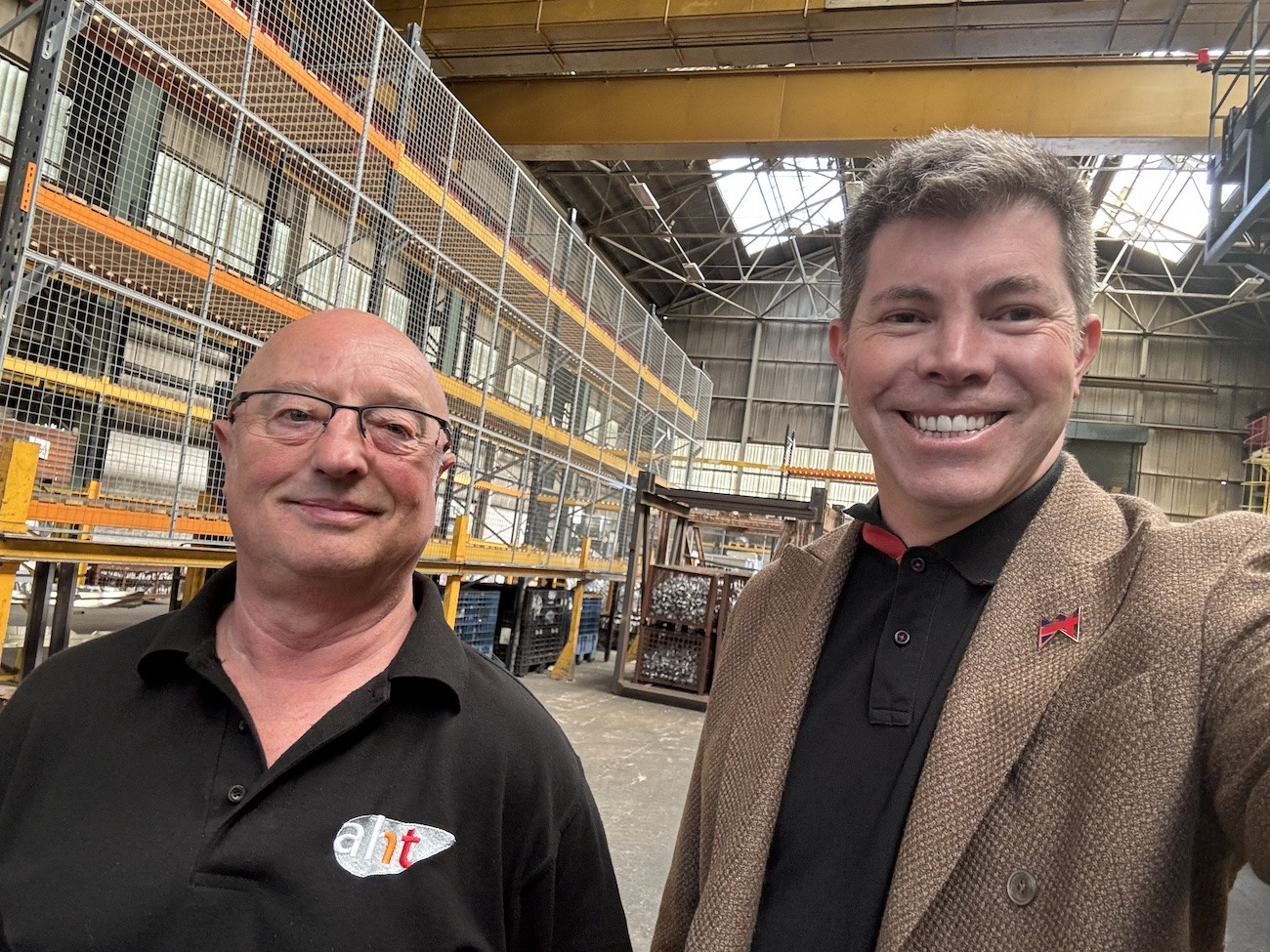
In a time where business is often focused on fast gains and short-term returns, Alloy Heat Treatment proves there’s a lasting advantage in experience, commitment, and quiet resilience. As they continue to invest in people and process, their longevity might just be their most powerful competitive edge.